

Medically reviewed by Dr. Dharmi Kevadiya (MBBS, Skin & Hair Care Consultant), Dermatics India.
Retinol cream is a topical form of vitamin A that helps your skin renew itself faster, build collagen, and look smoother and clearer over time. It works on fine lines, dullness, uneven tone, congested pores, and the marks acne leaves behind, which is why dermatologists reach for it so often. Used the right way, it is gentle enough for beginners. Used the wrong way, it can leave you red and flaky for weeks. This guide walks you through both sides so you start with confidence.
If you are dealing with fine lines, dull skin, acne marks, rough texture, or uneven skin tone, this guide will help you understand how to use retinol cream safely and choose the right option for your skin.

What Is Retinol Cream?
Retinol cream is a moisturiser with retinol, a form of vitamin A, that helps your skin renew itself and look smoother over time.
- It turns on inside your skin. Your skin changes retinol into its active form, which is why it's gentler than prescription tretinoin.
- It does more than hydrate. A good retinol cream for face supports how skin renews, not just surface moisture.
- Helps with many concerns. Anti-ageing, acne marks, clogged pores, rough skin, pigmentation, and dullness.
- Newer formulas are gentler. Microencapsulated and bio-retinol types release slowly, so less dryness and peeling.
How Retinol Cream Works
Retinol cream works by speeding up your skin's natural renewal. It does not bleach or strip your skin. It simply helps your skin act younger over time.
- Renews skin faster. Clears dull, dead cells so smoother skin shows through.
- Builds collagen. Helps skin look firmer and softens fine lines.
-
Keeps pores clear. Lessens the accumulation that causes breakouts and blackheads.
- Evens skin tone. Regular application aids in the fading of dark stains and markings.
In short: used at night, with patience, retinol makes skin look smoother, clearer, and brighter.

Retinol Cream Benefits: What It Can Really Do for Your Skin
Retinol cream is popular because it does more than just target wrinkles. With regular and correct night-time use, it can improve the way your skin looks, feels, and renews itself.
Here are the key retinol cream benefits:
1. Helps Reduce Fine Lines and Wrinkles
- Retinol boosts collagen, helping skin look firmer and smoother.
- It reduces fine lines and wrinkles over time.
- Suitable for early ageing, mature, or photoaged skin.
2. Makes Rough Skin Feel Smoother
- Rough skin is often linked to dead skin buildup.
- Retinol improves skin renewal for smoother, softer skin.
- Helpful for those wanting smoother skin texture.
3. Improves Dark Spots and Hyperpigmentation
- Retinol helps improve dark spots, acne marks, sun spots, and uneven skin tone.
- Useful for Indian skin prone to pigmentation.
- Use at night and apply sunscreen daily.
4. Clearer-Looking Skin and Acne Marks
- Retinol helps reduce dead skin buildup inside pores.
- This may help prevent clogged pores, blackheads, whiteheads, and recurring breakouts.
- It can also improve the uneven texture and marks left behind after acne.
- With consistent use, retinol cream can make skin look smoother, brighter, and more even. It works gradually, so results usually come with patience and proper sunscreen use.
5. Makes Pores Look More Refined
- Retinol cannot permanently shrink or remove pores because pores are a natural part of the skin.
- But it can make pores look cleaner and less visible by reducing buildup.
- When the skin surface becomes smoother, pores naturally appear more refined.
6. Boosts Skin Glow and Radiance
- Dull skin is caused by slow renewal and dead cells.
- Retinol helps make skin brighter, smoother, and more radiant.
- Results take time; overuse can irritate the skin.
7. Helps Improve the Look of Dark Circles
- The eye area is delicate, so dark circles need a careful, realistic approach with retinol.
- A retinol cream for dark circles works best when the circles come from thin, crepey skin or uneven tone, because retinol thickens and renews the skin over time.
- It does little for circles caused by genetics, deep hollows, or pigment that sits very deep under the skin.
Best Retinol Creams from Dermatics: Choose the Right One for Your Skin
Dermatics stocks the products below. We've matched each one to a skin situation rather than ranking them, so the right pick depends on your skin type and concern. Patch test anything new, and book a consultation if you're unsure.
|
Product |
Best for |
Retinol used |
|
First-timers, reactive skin, prevention |
0.2% Retinol |
|
|
Lines plus dark, shadowy under-eyes |
Microencapsulated Retinol |
|
|
Dry, flaky skin with rough texture |
Advanced retinol |
|
|
Experienced users wanting more results |
0.5% pure retinol |
|
|
Rough, bumpy body skin |
Revinage Bio-Retinol |
1. Zuvimax 0.2% Pure Retinol Cream
- Best for: Those with delicate skin and beginners.
- Why choose it: It contains 0.2% encapsulated retinol that releases slowly, making it a gentle starting option for people new to retinol.
- Key ingredients: Retinol, Superox-C, sweet almond oil, and glycerin.
-12% Recommended
Zuvimax 0.2% Pure Retinol Cream, 20gmRs. 849.00Rs. 970.00
Buy now
Recommended
Zuvimax 0.2% Pure Retinol Cream, 20gmRs. 849.00Rs. 970.00
Buy now
2. Reti K Anti Aging Cream
- Best for: Fine lines along with dark, tired-looking under-eyes.
- Why choose it: Microencapsulated retinol works on lines and texture while Vitamin K1 supports the look of the under-eye area, so it suits people whose dark circles come from thin or uneven skin.
- Key ingredients: Microencapsulated retinol, Vitamin K1, and Vitamin C.
-20% Recommended
Reti K Anti Aging Cream, 30mlRs. 1,199.00Rs. 1,499.00
Buy now
Recommended
Reti K Anti Aging Cream, 30mlRs. 1,199.00Rs. 1,499.00
Buy now
3. Chosen Retinolite Cream
- Best for: Dry, flaky skin that still wants texture results.
- Why choose it: It pairs retinol with barrier-supporting ingredients, so you get smoother skin without the tight, stripped feeling that often comes with retinol.
- Key ingredients: Retinol, squalane, meadowfoam seed oil, sodium hyaluronate, and Vitamin E.
-3% Recommended
Chosen Retinolite Creme 50mlRs. 1,764.00Rs. 1,830.00
Buy now
Recommended
Chosen Retinolite Creme 50mlRs. 1,764.00Rs. 1,830.00
Buy now
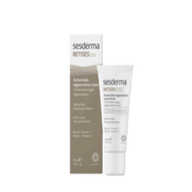
4. Sesderma Retises 0.5 Cream
- Best for: Experienced retinol users wanting stronger results.
- Why choose it: Its 0.5% pure retinol is a clinical-strength step up for deeper lines, dullness, and loss of firmness, best suited to skin that already tolerates lower strengths.
- Key ingredients: 0.5% pure retinol, Vitamin C, and Antarctic glycoprotein.
5. Fixderma Bio Retinol Body Lotion
- Best for: Rough, bumpy, or uneven skin on the body.
- Why choose it: It uses Revinage, a plant-based retinol alternative, to smooth and firm body skin gently enough for daily use, even in warm, humid weather.
- Key ingredients: Revinage bio-retinol (a plant-based retinoid alternative).
-20% Recommended
Fixderma FCL Bio Retinol Body Lotion, 200mlRs. 999.00Rs. 1,250.00
Buy now
Recommended
Fixderma FCL Bio Retinol Body Lotion, 200mlRs. 999.00Rs. 1,250.00
Buy now

How to Use Retinol Cream Safely
Using retinol cream the right way helps you get smoother, clearer skin without unnecessary dryness or irritation. Keep the routine simple and start slowly.
Step-by-Step Retinol Routine:
- Cleanse and dry your face Wash your face with a gentle cleanser, pat dry, and wait 5–10 minutes before applying retinol.
- Use a pea-sized amount A small pea-sized quantity is enough for the entire face. Using more can cause irritation.
- Avoid sensitive areas Do not apply retinol near the eyes, lips, corners of the nose, or broken skin.
- Apply moisturiser Follow with a hydrating moisturiser to reduce dryness and support the skin barrier.
- Start 2–3 nights a week Increase frequency slowly only when your skin feels comfortable.
- Use sunscreen every morning Apply SPF 30 or higher daily, as retinol can make your skin more sun-sensitive.
Simple rule: Retinol at night, moisturiser after, sunscreen in the morning.
Retinol Cream Safety Rules
Retinol works well, but it needs careful use. Follow these simple rules to avoid dryness, peeling, and irritation:
- Instead of using it every day, start with two or three evenings a week.
- For the entire face, use just a pea-sized amount.
- Expect mild dryness or flaking in the first few weeks.
- Slow down if irritation gets worse or your skin feels burning, painful, or overly sensitive.
- Apply moisturiser after retinol to protect your skin barrier.
- Use the sandwich method if your skin is sensitive: moisturiser → retinol → moisturiser.
- Wear SPF 30 or higher every morning because retinol increases sun sensitivity.
- Avoid retinol during pregnancy or breastfeeding unless your doctor advises otherwise.
Retinol gives the best results when your skin can tolerate it consistently. Gentle use always works better than an aggressive start.
Final Thoughts
Retinol cream remains one of the most reliable ingredients in skincare because it addresses several concerns at once: ageing signs, uneven tone, rough texture, marks, and dullness. The catch is that results come from patience and good technique, not from piling on product. Start low, go slow, moisturise well, and never skip your morning sunscreen.
Whether you want a retinol cream for face benefits, help with hyperpigmentation, smoother rough skin, or clearer skin after acne, the right starting product depends on where your skin is today. Not sure which retinol cream is right for your skin? Explore dermatologist-curated retinol options on Dermatics or book an online skin consultation for personalised guidance.


